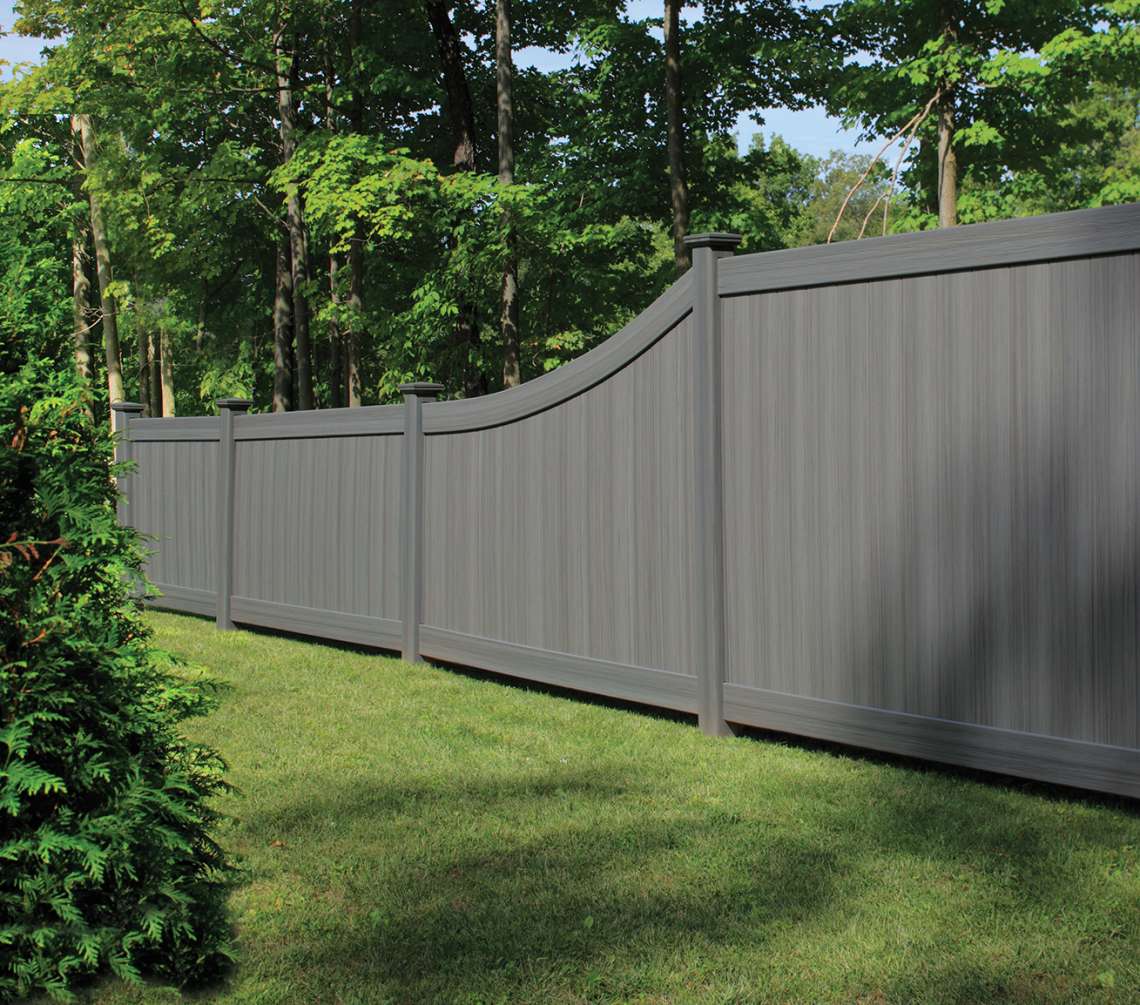
Why Choose Composite Materials for Decking, Cladding, and Fencing
Composite materials combine the best qualities of traditional timber and modern polymers to deliver surfaces that are both beautiful and durable. Homeowners and specifiers increasingly select composite products for outdoor projects because they reduce long-term maintenance while improving performance in harsh environments. Unlike untreated wood, composite boards resist rot, warping, and insect damage, which translates to fewer repairs and a longer service life. The surface technology used in many boards enhances fade and stain resistance, keeping colors vivid and textures intact for years.
Performance is not the only advantage. Many composites are manufactured from recycled materials, offering a more sustainable alternative to virgin timber. This makes composite systems attractive for projects where environmental impact and lifecycle assessments matter. The non-porous surfaces of composites also inhibit mold and mildew growth, improving safety and reducing the need for harsh chemical cleaners.
Aesthetic flexibility is another key benefit. Modern profiles can mimic natural hardwood grains or present ultra-modern, low-maintenance finishes. Buyers can choose from a wide palette of colors and edge details to match architectural styles, whether the goal is a cozy backyard retreat or a sleek contemporary terrace. For guidance on high-performance options and availability, consider reviewing specialized suppliers such as Composite Decking to compare boards, finishes, and warranties that align with project requirements.
Design Considerations and Installation Best Practices
Successful composite projects start with proper design and detailing. Substructure selection is critical: pressure-treated timber frames are common, but aluminum joists offer superior dimensional stability and resistance to rot. Joist spacing must follow manufacturer recommendations to support live loads and prevent sagging over time. Allowance for thermal expansion and contraction is essential; installers should include consistent end gaps and follow layout patterns that minimize visible movement. Fastening methods vary—hidden clips create clean sightlines while face-fixing screws provide secure attachment in high-wind areas.
Ventilation and drainage beneath decking and cladding are vital to prevent trapped moisture and to prolong the life of adjacent materials. For cladding, a ventilated rainscreen assembly improves thermal performance and moisture management while reducing the risk of condensation. Fire performance and building code compliance should be checked early in the design phase, especially for multi-family or commercial buildings. Many composite products have published fire ratings and tested assemblies that help specify appropriate systems.
Cutting and finishing techniques differ from timber; composite boards may require carbide blades and slower feed rates to avoid fraying. Protective edge caps or fascia trims can hide cut ends and create a polished finish. Maintenance protocols are straightforward—periodic sweeping, occasional washing with mild detergent, and prompt removal of debris keeps surfaces safe and attractive. Thoughtful detailing around posts, drains, and lighting ensures longevity and a seamless integration of functional elements like integrated deck lighting or concealed guttering behind cladding panels.
Case Studies and Real-World Examples: From Residential Patios to Commercial Facades
A coastal residence in the southeast replaced a weathered pine deck with a composite system to combat salt spray and high humidity. After installation, homeowners reported dramatic reductions in staining and maintenance hours. The non-porous boards resisted salt-induced deterioration and required only an annual rinse. Over a five-year period, the property owner noted reduced lifecycle costs compared with previously recurring sanding and sealing of timber.
In an urban townhouse development, builders specified cladding panels on façades and composite fencing between lots to create a cohesive, low-maintenance streetscape. The cladding contributed to a modern aesthetic while the fencing provided privacy with minimal upkeep. Municipal inspectors approved the assemblies after reviewing test certifications and installation details, demonstrating how well-documented systems can streamline permitting for multi-unit projects.
A hospitality venue transformed its rooftop with a composite terrace, choosing slip-resistant profiles and concealed fastening to enhance safety and appearance. The lightweight nature of certain composite boards allowed installation without major structural reinforcement, saving on construction time and cost. After two seasons of heavy foot traffic and outdoor furniture use, the owner praised the boards for remaining free of deep gouges and for preserving color integrity despite sun exposure.
Public infrastructure projects are also leveraging composites. A city park retrofit used composite planking for boardwalks and seating areas adjacent to wetlands. The resistance to moisture and biological attack reduced maintenance budgets and extended inspection intervals. Long-term monitoring showed that the composite elements outperformed adjacent softwood features, particularly in areas with intermittent flooding and heavy pedestrian loads, validating composites as a practical, resilient choice for both private and public applications.