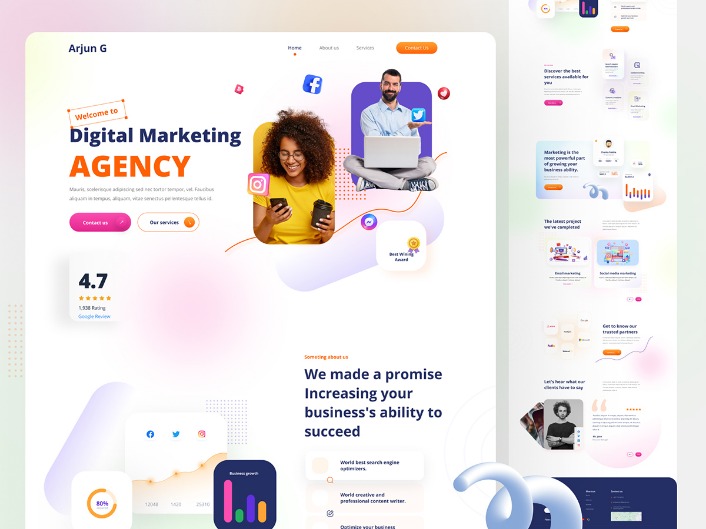
Welcome to an era where Website Design, Development, Digital Marketing, and legal frameworks converge to create dynamic online experiences. Navigating this digital landscape requires a nuanced understanding of multiple interconnected domains that drive success. This article sheds light on each key element and how they harmoniously integrate.
Website Design
The cornerstone of any online presence is impeccable Website Design. It entails more than just aesthetics; it’s about creating a user-friendly interface that captivates visitors and provides seamless navigation. Effective design needs to consider user experience (UX), color theory, typography, and mobile-friendliness. Remember, a well-designed website not only attracts visitors but also keeps them engaged.
User Experience (UX)
A critical aspect of Website Design is UX. Good UX ensures that users can find what they’re looking for without hassle. Intuitive navigation, fast loading times, and engaging content are pivotal.
Mobile Responsiveness
In today’s fast-paced world, having a mobile-responsive website is non-negotiable. Mobile-first design principles ensure your site is accessible and functional on all devices, expanding your reach and audience engagement.
Development
Behind every stunning design lies robust Development. This involves coding the website to function smoothly and securely. Skilled developers use a mix of frontend and backend technologies to bring designs to life. Key considerations include performance optimization, scalability, and security.
Performance Optimization
A well-developed site must be fast and efficient. Techniques like minifying code, leveraging browser caching, and optimizing images play critical roles in enhancing site speed. This aspect of Development ensures users have a pleasant and uninterrupted experience.
As cyber threats continue to evolve, securing your website against potential breaches is imperative. Implementing SSL certificates, regular updates, and secure coding practices are vital components of a secure development process.
Digital Marketing
No website can thrive without robust Digital Marketing strategies. This multi-faceted approach includes SEO, content marketing, social media, and PPC campaigns to drive traffic and conversions.
SEO
Search Engine Optimization (SEO) is the backbone of Digital Marketing. It involves optimizing your site to rank higher on search engines, thereby increasing visibility and organic traffic. Key practices include keyword research, on-page optimization, and building quality backlinks.
Content Marketing
Quality content is king in Digital Marketing. Creating engaging, informative, and relevant content generates interest and establishes authority in your niche. Blog posts, videos, infographics, and podcasts are some of the many content formats you can leverage.
Legal
Incorporating legal considerations into your digital strategy is crucial to ensure compliance and protect your enterprise from potential pitfalls. Legal factors include terms of service, privacy policies, intellectual property rights, and data protection regulations like GDPR.
Data Protection
Adhering to data protection laws safeguards user information, increases trust, and avoids costly penalties. Implementing transparent privacy policies and secure data management practices is essential in the digital age.
Intellectual Property
Protecting your brand and content through trademarks, copyrights, and patents helps maintain your competitive edge. Ensuring your website design, development, and content do not infringe on others’ intellectual property rights is equally important.
In conclusion, mastering the realms of Website Design, Development, Digital Marketing, and legal frameworks is indispensable for building a successful online presence. By paying attention to each of these elements, you can create a cohesive, compliant, and compelling digital experience that stands the test of time.