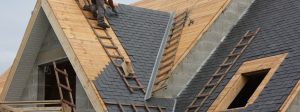
Ensuring the safety of individuals while performing roof inspection safety is of paramount importance. This article will guide you through various safety measures, tools, and frequently asked questions to maintain a secure environment during roof inspections.
Why Roof Inspection Safety is Crucial
Working on roofs inherently involves risks, and adhering to proper safety protocols can prevent accidents and injuries. Here are some reasons why roof inspection safety should be prioritized:
Preventing falls and slips
Avoiding structural damages
Ensuring the integrity of the roofing materials
Key Safety Measures for Roof Inspections
Personal Protective Equipment (PPE)
The use of appropriate personal protective equipment (PPE) is essential. Make sure you have:
Hard hats
Safety harnesses and lifelines
Non-slip footwear
Gloves
Weather Considerations
Roof inspection safety is highly impacted by weather conditions. Always check the forecast and avoid roof inspections during:
Heavy rain or thunderstorms
High winds
Snow or icy conditions
Proper Training and Equipment Use
Ensure that anyone performing a roof inspection is adequately trained and familiar with the equipment they’ll be using. Some essential training topics include:
What are the most common hazards during roof inspections?
Common hazards include slips and falls, weak or damaged structures, and exposure to harsh weather conditions.
How often should roof inspections be performed?
It’s recommended to inspect the roof at least twice a year, typically in spring and fall, and after any severe weather events.
Can I perform a roof inspection by myself?
While it’s possible, it’s safer to have another person present or consult with a professional, especially if you are untrained or the roof is particularly steep or high.
What if I discover damage during an inspection?
If you find damage, document the affected area with photos and notes, and contact a professional roofing contractor for repair or further assessment.
Implementing these safety measures can significantly reduce the risks associated with roof inspections, ensuring that the process is carried out efficiently and securely.