
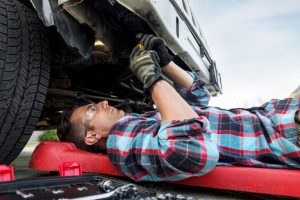
When it comes to keeping your vehicle in top condition, having a skilled car mechanic is essential. Whether you need routine maintenance or more extensive repairs, a knowledgeable and experienced mechanic can make all the difference in ensuring your car runs smoothly and safely.
What Does a Car Mechanic Do?
A car mechanic is responsible for diagnosing, repairing, and maintaining vehicles. They are trained professionals who have expertise in various aspects of automotive repair, from engine and transmission to brakes and suspension. Some of the main duties of a car mechanic include:
- Performing routine maintenance tasks such as oil changes, tire rotations, and fluid checks
- Diagnosing and repairing mechanical issues
- Replacing worn or damaged parts
- Conducting inspections to identify potential problems
- Ensuring vehicles meet safety standards
Read more about repair here.
Why You Need a Skilled Car Mechanic
Having a skilled car mechanic on hand is important for several reasons:
Expertise
Car mechanics undergo extensive training to develop their skills and knowledge of automotive systems. They can accurately diagnose and repair issues that may be beyond the scope of a novice or DIY enthusiast.
Efficiency

A skilled car mechanic can work efficiently to get your vehicle back on the road quickly. They have the tools and expertise to complete repairs in a timely manner, saving you time and hassle.
Quality Workmanship
Professional car mechanics take pride in their work and strive to deliver high-quality service. They use genuine parts and follow industry best practices to ensure your vehicle performs at its best.
FAQs About Car Mechanics
Q: How often should I take my car to a mechanic for maintenance?
A: It is recommended to follow the manufacturer’s guidelines for routine maintenance, which typically includes oil changes every 3,000 to 5,000 miles and regular inspections.
Q: How do I know if my car needs repairs?
A: Look out for warning signs such as strange noises, unusual vibrations, dashboard warning lights, or decreased performance. If you notice any of these issues, it’s best to have your car inspected by a professional car mechanic.
Q: Can I bring my own parts to a mechanic for repairs?
A: While some mechanics may allow customers to provide their own parts, it’s generally recommended to use parts recommended by the mechanic or sourced from reputable suppliers to ensure quality and compatibility.
Choosing the Right Car Mechanic
When selecting a car mechanic, consider the following factors:
Experience
Look for a mechanic with years of experience working on various makes and models of vehicles. Experienced mechanics are more likely to accurately diagnose and repair issues.
Certifications
Choose a car mechanic who is certified by reputable organizations such as the National Institute for Automotive Service Excellence (ASE). Certification indicates that the mechanic has met industry standards for competency and professionalism.
Reputation
Read reviews and ask for recommendations from friends or family to find a car mechanic with a good reputation for quality service and customer satisfaction.
In Conclusion
A skilled car mechanic plays a vital role in keeping your vehicle running smoothly and safely. By choosing an experienced and reputable mechanic, you can ensure that your car receives the care and attention it needs to perform at its best. So, next time your vehicle needs maintenance or repairs, don’t hesitate to seek out the expertise of a professional car mechanic.


