In the landscape of patient care and rehabilitation, few tools offer the blend of safety, dignity, and therapeutic benefit as the sit to stand lift. These devices bridge the critical gap between total dependency and independent mobility, allowing patients who retain some lower body strength to participate actively in their transfers. For caregivers, families, and healthcare facilities, investing in the right equipment is not just about convenience—it is about preventing injury, preserving patient autonomy, and streamlining daily routines. The market for these devices is robust, and understanding the nuances of what makes a quality unit is essential. This guide explores the core mechanics, the critical selection criteria, and the tangible impact these lifts have on real-world care scenarios.
Understanding the Mechanics and Clinical Benefits of Sit to Stand Lifts
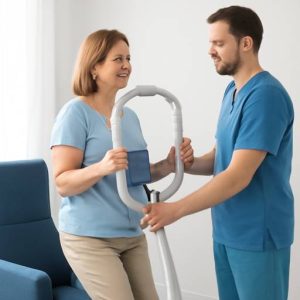
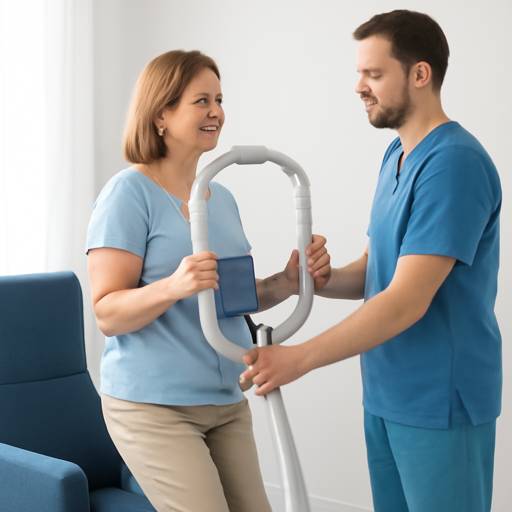
A sit to stand lift operates on a simple yet profound principle: it assists a patient from a seated to a standing position using a pivoting frame and a supportive sling or vest. Unlike a full-body sling lift, which carries the patient entirely, this device requires the user to bear some weight through their legs. This weight-bearing aspect is its greatest clinical advantage. It promotes active muscle engagement, helps maintain bone density, and supports the patient’s natural gait pattern. For seniors recovering from hip or knee surgery, or for individuals with progressive conditions like multiple sclerosis, this active transfer method can be a cornerstone of their physical therapy regimen.
The device itself typically consists of a stable wheeled base, a vertical mast, and a hydraulic or electric lifting mechanism. The patient sits on a bed or chair edge, the lift is positioned, and a padded sling is placed behind the back and under the arms or thighs. As the lift engages, the patient is gently guided upward into a standing position. The reduction in caregiver physical strain is immediate and dramatic. Bedside caregivers often face back injuries from repetitive bending and lifting; a sit to stand lift eliminates the need for awkward, strenuous manual transfers. Furthermore, these lifts enhance patient confidence. The fear of falling during a transfer is a significant barrier to mobility. Knowing that a stable, reliable device supports the movement allows the patient to focus on the standing action itself, often leading to faster rehabilitation outcomes. The modern designs also prioritize skin integrity, with seamless slings that reduce friction and shear, a common cause of pressure injuries. When evaluating options for a long-term investment in care quality, understanding this balance between mechanical assistance and active patient participation is the first step in making an informed choice.
Key Considerations When Evaluating a Sit to Stand Lift for Sale
Navigating the wide array of models available requires a focused look at specific features that directly impact usability and safety. The first major decision is the power source. Electric lifts offer smooth, effortless operation at the touch of a button, making them ideal for facilities or homes where multiple transfers occur daily. Manual hydraulic models are lighter, less expensive, and do not require batteries or electrical outlets, which can be a significant advantage in home settings where space is limited or power access is inconsistent. However, the caregiver must pump a handle to raise or lower the patient, which, while still far less strenuous than manual lifting, does require some physical effort.
Weight capacity is another non-negotiable factor. Standard lifts accommodate between 350 and 500 pounds, but heavy-duty bariatric models are available. Always confirm the safe working load (SWL) and ensure it exceeds the patient’s weight by a comfortable margin. The floor base design is equally critical. A wider base provides superior stability, but it must also be able to fit under standard beds and around toilet fixtures. Look for models with a spreadable or "open" base that can be adjusted to straddle furniture, allowing for a closer, safer approach to the patient. The sling itself is the primary point of contact; evaluate the material—breathable mesh for hygiene versus padded fabric for comfort—and the ease of application. Some slings are designed to be left in place behind the patient, while others require threading or wrapping. Additionally, pay attention to the leg rest or knee pad. This component supports the patient’s knees and prevents sliding, so it should be well-padded and adjustable for height. Finally, portability and storage matter. Many lifts can be disassembled for transport, and a compact footprint when folded is invaluable in tight corridors or small bedrooms. When you begin your search for a reliable device, looking at a dedicated inventory of a sit to stand lift for sale ensures you compare models built for long-term durability and clinical compliance.
Real-World Applications and Case Studies in Sit to Stand Transfer Technology
The theoretical benefits of sit to stand lifts become powerfully evident when examined through specific use cases. Consider the scenario of an 80-year-old woman recovering from a total hip replacement. In the first weeks post-surgery, she is cautioned against bending past 90 degrees at the hip—a restriction that makes standard sit-to-stand motions from a low chair nearly impossible. A sit to stand lift, with its adjustable height range and supportive sling, allows her to safely stand without violating hip precautions. Her physical therapist can set the lift’s trajectory to minimize strain on the surgical site, turning every transfer into a therapeutic exercise. This active participation drastically reduces recovery time compared to bed rest or manual lifts that require full caregiver support.
Another real-world application is found in skilled nursing facilities managing residents with Parkinson’s disease. These individuals often experience "freezing" episodes where they cannot initiate movement. A sit to stand lift provides the initial momentum needed to break the freeze, after which the patient can often complete the standing motion independently. Caregivers in these settings report a 60-70% reduction in workplace injuries after transitioning to sit to stand protocols. One documented case in a mid-sized rehabilitation center showed that after implementing a standardized sit to stand program for all eligible patients, the facility’s annual patient fall rate during transfers dropped from 12 to just 2. The key was training staff to identify candidates who could bear weight—even minimally—and introducing the lift early in the care plan. For home caregivers, the psychological relief is equally telling. A son caring for his father with late-stage ALS described the lift as "the difference between being able to keep him at home for another year versus an inevitable nursing home placement." The device allowed him to manage transfers with confidence, preserving his own physical health and his father’s sense of normalcy. These examples underscore that a sit to stand lift is not merely a piece of equipment; it is a critical enabler of safer, more human-centric care across diverse environments.